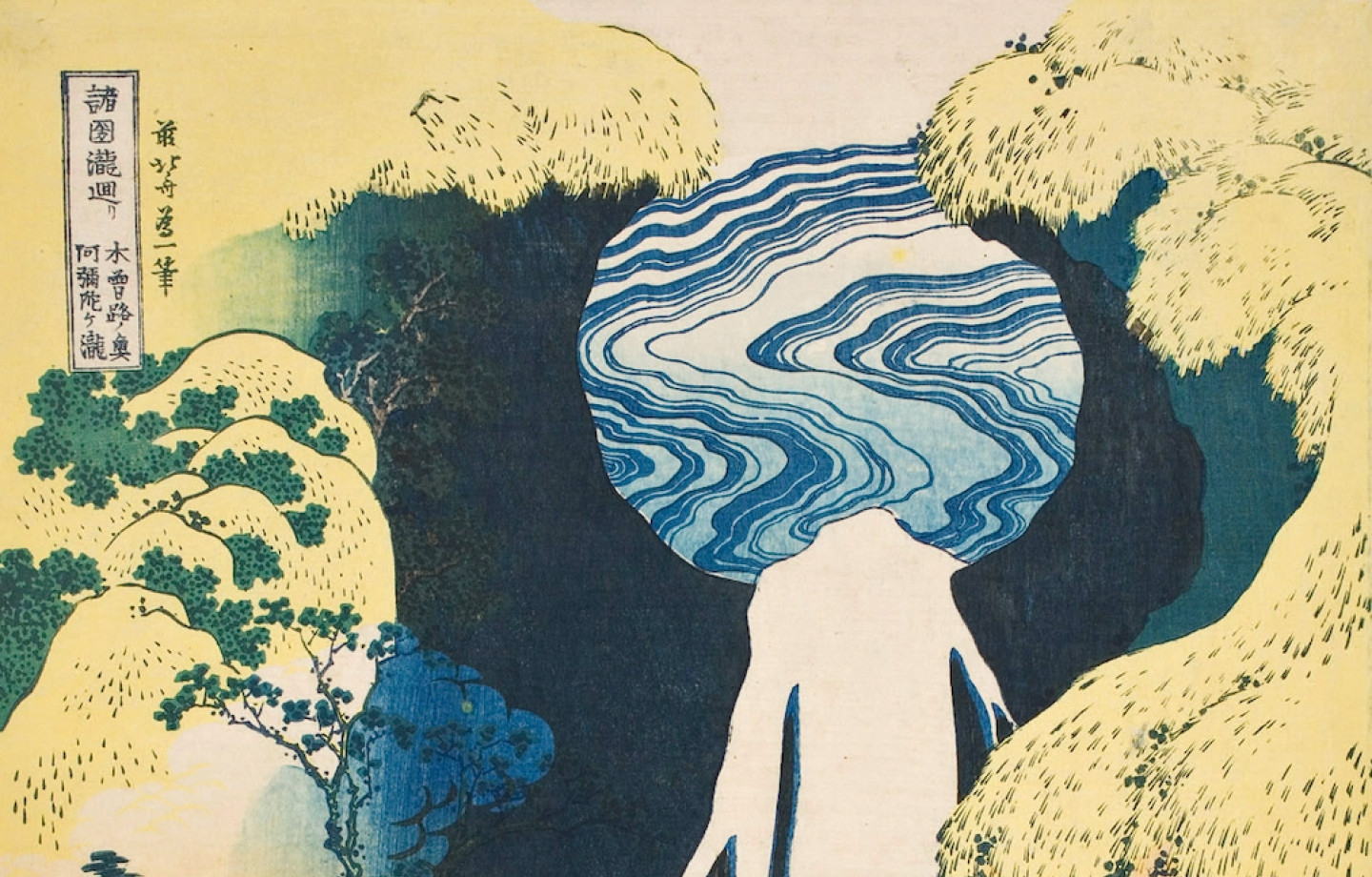
David Loeb Gaunkyo
Gaunkyo
for sho and viol quartet
In Gaunkyo David Loeb combines the Japanese shō with archaic Western string instruments--viols. Likewise, modal melodies and harmonies both Asian and Western create David Loeb's "international style".
The shō (笙) is a Japanese free reed musical instrument that was introduced from China during the Nara period (AD 710 to 794). It is descended from the Chinese sheng, of the Tang Dynasty era, although the shō tends to be smaller in size than its contemporary sheng relatives.
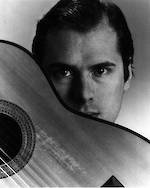
William Anderson
I compose, play plucked instruments, run ensembles, produce concerts, and advocate for new music, I soaked up contemporary American music for 30 years, working directly with composers from all over the map. In the last 20 years I began composing works that draw on that experience, with a particular concern for finding a coherent way to make reconciling musics that were sealed off from one another. How to make embarrassingly simple and charming music work with the most complex musical modalities? Tipping in this direction has made me aware of the dangers of grasping too firmly onto any one notion.
I've come to Macherey's vision that our shadow (what we're *not*) is radiantly present in our work. So it's perfectly reasonable to *love everything*. We're imbricated. --
**The true necessity of the text manifests itself in the fact that not a word of it can be changed and nothing can be added, even though it appears at each moment as though a new topic could be chosen, an alternative narrative selected. But it is precisely this ceaseless shadowy presence of other possible phrases which could be pronounced, this ineradicable sense that things could have been other than they are, which enforces the constraining necessity of the text we actually have before us.**--Macherey